

Been There Got Out w/Lisa Johnson and Chris Barry
Parental alienation is one of the most painful and frightening issues a parent can face during or after divorce. When one parent turns a child against the other, the damage can affect trust, attachment, identity, and the child’s long-term emotional well-being. In this episode of the Amicable Divorce Network Podcast, host Tracy Ann Moore-Grant speaks with Lisa Johnson and Chris Barry, high-conflict divorce strategists and founders of Been There Got Out, about their book When Your Ex Turns the Kids Against You and the reality of parental alienation.
What Parental Alienation Can Look Like
Parental alienation does not always begin with one dramatic moment. It can start slowly, through negative comments, subtle blame, emotional pressure, or repeated messages that make the child feel unsafe, guilty, or disloyal for loving the other parent. Over time, a child may begin rejecting one parent not because of that parent’s actual behavior, but because of the influence and pressure placed on them.
Lisa and Chris work with people navigating high-conflict divorce, and their perspective highlights how destructive these patterns can become. For targeted parents, alienation can feel confusing and devastating. They may be trying to maintain a relationship with their child while also facing hostility, false narratives, or manipulation through the family law system.
When Divorce Becomes High Conflict
Not every divorce can be handled through cooperation alone. In high-conflict situations, one parent may use the children, the legal process, or communication channels as tools of control. Lisa and Chris describe working with clients who feel as though they are battling their own personal terrorists through the family law system. That language reflects the intensity and fear many parents experience when conflict becomes ongoing and personal.
In these situations, parents often need more than general divorce advice. They need strategy, documentation, emotional support, and professionals who understand how high-conflict dynamics work. Without the right guidance, a targeted parent may feel isolated or unsure how to respond without making the situation worse.
Protecting Children From Emotional Harm
At the center of parental alienation is the child. Children should not be forced to choose sides, carry adult emotions, or reject one parent to satisfy the other. When they are pulled into the conflict, they may experience confusion, guilt, anxiety, anger, or divided loyalty.
Protecting children begins with recognizing the warning signs. A parent may notice sudden changes in the child’s attitude, repeated phrases that sound like the other parent, refusal to communicate, or intense rejection that does not match the actual relationship history. While every situation is different, these patterns should be taken seriously and addressed with care.
What Parents Can Do
For parents facing alienation, reacting emotionally is understandable, but it may not always be effective. Lisa and Chris emphasize the importance of learning what alienation looks like, how it starts, and what steps parents can take to protect themselves and their children.
This may include keeping detailed records, avoiding retaliatory communication, working with experienced professionals, and staying focused on the child’s emotional needs. A parent cannot always control what the other parent says or does, but they can choose responses that are grounded, strategic, and child-centered.
Finding Support in a Difficult Process
Parental alienation can make a parent feel powerless, but support and education can help. With the right tools, parents can better understand the dynamics they are facing and make more informed choices during high-conflict divorce.
Lisa Johnson and Chris Barry’s work through Been There Got Out focuses on helping parents navigate these difficult situations with more clarity and strategy. Their book, When Your Ex Turns the Kids Against You, is available on Amazon.
To learn more, visit beentheregotout.com or contact Lisa at lisa@beentheregotout.com and Chris at chris@beentheregotout.com. To find an amicable divorce professional near you, visit amicabledivorcenetwork.com.
Recent Posts










From the Book: Divorce Amicably
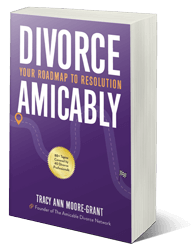
Chapter 6. Fault: Do You Bring It Up?
When approaching divorce, usually one spouse believes – and may even have significant evidence – that the other spouse is “at fault” for the end of the marriage. The aggrieved spouse often wants the other to “pay” for their behavior – either financially or through the custodial schedule. That means they will want to pursue fault grounds.
When deciding the direction of your divorce, it is important for you to understand the difference between fault and no-fault divorce.