

Staying in Your Lane in Divorce and Coparenting w/Cherie Morris
Divorce and co-parenting can bring out strong emotions, especially when people are trying to manage legal decisions, parenting responsibilities, and personal healing all at the same time. In this episode of the Amicable Divorce Network Podcast, host Tracy Moore-Grant speaks with attorney-turned-divorce coach Cherie Morris about the importance of “staying in your lane” during the divorce and co-parenting journey.
What It Means to Stay in Your Lane
Staying in your lane means focusing on what you can control instead of trying to manage every choice, reaction, or emotion from the other person. In divorce, this can be difficult. A spouse or co-parent may behave in ways that feel unfair, frustrating, or hurtful. The instinct may be to correct, defend, or control the situation, but that often leads to more conflict.
Cherie’s approach encourages people to separate their own responsibilities from the other person’s behavior. That does not mean ignoring problems or failing to protect yourself. It means learning where your energy is best spent: on your own decisions, your own healing, your parenting, your communication, and the support systems that help you move forward.
From Attorney to Divorce Coach
Cherie’s background as an attorney gives her a strong understanding of the legal side of divorce, but her transition into coaching reflects another important truth: divorce is not only a legal process. It is also an emotional and personal transition. Many people need guidance that goes beyond paperwork, court dates, and settlement terms.
As a divorce coach, Cherie helps people navigate the emotional side of the process with more clarity and steadiness. Her work emphasizes support, perspective, and practical tools for managing the stress that often comes with separation, divorce, and co-parenting.
Why Emotional Support Matters
Divorce can make people feel overwhelmed, reactive, and uncertain. Without emotional support, it is easy to make decisions from fear, anger, guilt, or exhaustion. Those emotions are understandable, but they can complicate communication and make the process more difficult.
Having the right support can help a person pause before reacting, think through choices more clearly, and stay focused on long-term goals. Emotional support is especially important in co-parenting, where communication may continue long after the divorce is final. Learning how to respond instead of react can reduce conflict and create a healthier environment for everyone involved.
Staying in Your Lane as a Co-Parent
Co-parenting requires boundaries. Each parent may have different habits, communication styles, or parenting choices. While safety and major parenting concerns must be addressed, many daily frustrations can become ongoing battles if parents constantly try to control one another.
Staying in your lane as a co-parent means focusing on the kind of parent you want to be. It means creating consistency in your own home, communicating clearly, and avoiding unnecessary conflict when possible. This approach can help children feel less caught between their parents and more supported during the transition.
Finding a More Peaceful Path Forward
Cherie’s message is a reminder that divorce does not have to be defined by constant reaction. By staying in your lane, seeking emotional support, and focusing on what you can control, it becomes possible to move through divorce and co-parenting with more confidence and less conflict.
To connect with Cherie Morris, visit the Amicable Divorce Network member directory at amicabledivorcenetwork.com or visit her website at deardivorcecoach.com. To hear more conversations about navigating divorce in a healthier way, follow the Amicable Divorce Network Podcast.
Recent Posts










From the Book: Divorce Amicably
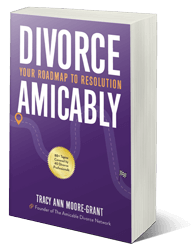
Chapter 6. Fault: Do You Bring It Up?
When approaching divorce, usually one spouse believes – and may even have significant evidence – that the other spouse is “at fault” for the end of the marriage. The aggrieved spouse often wants the other to “pay” for their behavior – either financially or through the custodial schedule. That means they will want to pursue fault grounds.
When deciding the direction of your divorce, it is important for you to understand the difference between fault and no-fault divorce.