
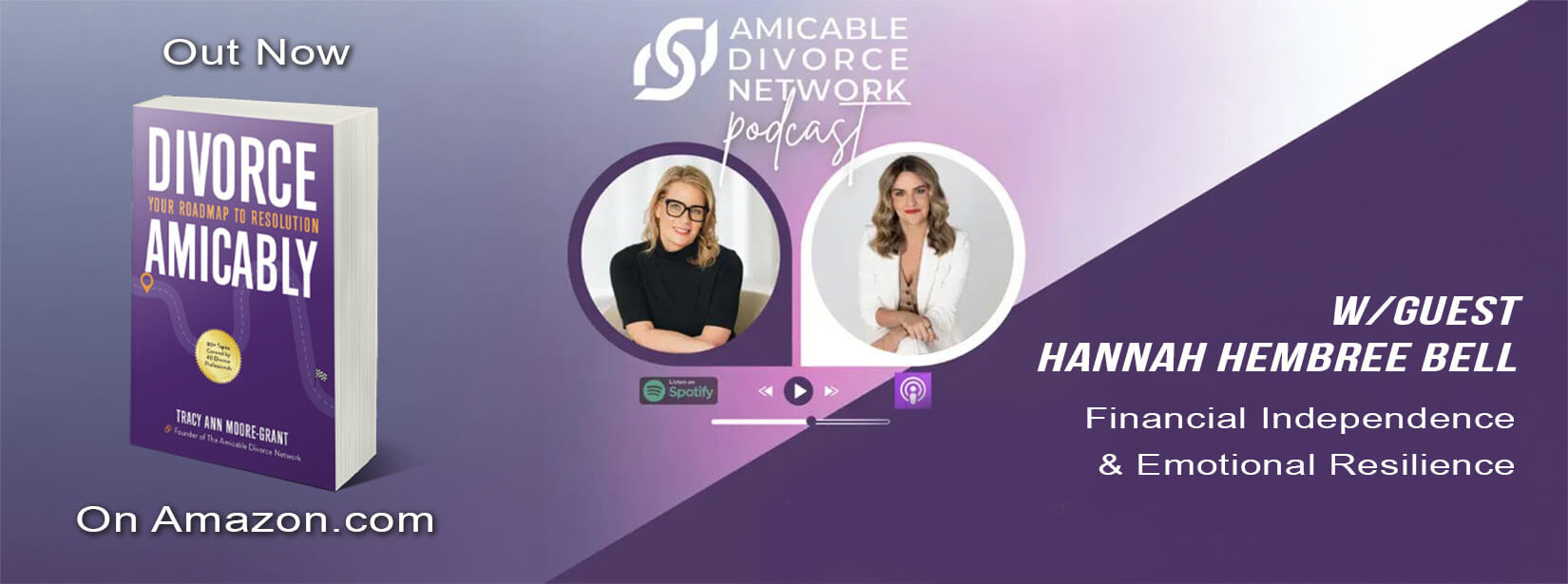
Financial Independence & Emotional Resilience w/Hannah Hembree Bell
Divorce can be one of the most emotionally and financially significant transitions in a person’s life. For many women, it raises difficult questions about independence, stability, parenting, housing, income, and the future. In this episode of the Amicable Divorce Network Podcast, host Tracy Moore Grant speaks with family law attorney Hannah Hembree Bell about navigating divorce with a focus on financial independence, emotional resilience, and preparation for life after separation.
Why Financial Independence Matters
Financial independence is one of the most important issues women may face during divorce. A person who does not fully understand the household finances, marital assets, debts, income, or future expenses can feel overwhelmed when the divorce process begins. Without clear financial information, it becomes harder to make confident decisions about settlement options, support, housing, and long-term planning.
Hannah’s conversation emphasizes the importance of becoming informed and prepared. Financial independence does not necessarily mean having everything figured out immediately. It means understanding your financial reality, asking the right questions, and taking steps toward stability. That foundation can make the divorce process less intimidating and help women advocate for themselves more effectively.
The Emotional Challenges of Divorce
Divorce is not only a legal process. It is also an emotional experience that can involve grief, fear, uncertainty, anger, and self-doubt. For women considering divorce, the emotional weight may be especially heavy when children, finances, or long-standing family roles are involved.
Emotional resilience does not mean ignoring the pain. It means finding ways to move through it with support, clarity, and practical decision-making. Having the right professionals, trusted resources, and a clear plan can help reduce the feeling of being overwhelmed. It can also help prevent decisions made solely from fear or exhaustion.
Preparing Before You Make Major Decisions
One of the most helpful steps someone can take before or during divorce is preparation. This may include gathering financial documents, understanding monthly expenses, reviewing assets and debts, thinking about future housing needs, and learning what legal options are available. Preparation gives people a stronger sense of control during a process that can otherwise feel uncertain.
Hannah’s guidance encourages women to think beyond the immediate stress of divorce and consider what life will look like after the process is complete. What will be needed to live independently? What support systems are available? What financial questions need answers before agreeing to a settlement? These questions can help create a more stable path forward.
Common Pitfalls to Avoid
A common mistake during divorce is moving too quickly without fully understanding the consequences. Some people may agree to terms because they want the process to end, while others may avoid financial conversations because they feel uncomfortable or intimidated. These choices can create long-term challenges.
Another pitfall is trying to navigate everything alone. Divorce involves legal, financial, emotional, and practical decisions. Support from experienced professionals can help people avoid mistakes, understand their rights, and make choices that reflect both present needs and future goals.
Building a Stronger Future After Divorce
Hannah’s message is ultimately one of empowerment. Divorce may bring uncertainty, but it can also become a turning point. With preparation, support, and a focus on both financial independence and emotional resilience, women can begin building a future that is more stable, informed, and self-directed.
The goal is not just to get through divorce. It is to move forward with the knowledge, confidence, and resources needed for the next chapter. For more empowering divorce resources and education, follow @divorceamicably on Instagram and listen to more conversations from the Amicable Divorce Network Podcast.
Recent Posts







From the Book: Divorce Amicably
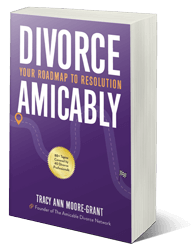
Chapter 6. Fault: Do You Bring It Up?
When approaching divorce, usually one spouse believes – and may even have significant evidence – that the other spouse is “at fault” for the end of the marriage. The aggrieved spouse often wants the other to “pay” for their behavior – either financially or through the custodial schedule. That means they will want to pursue fault grounds.
When deciding the direction of your divorce, it is important for you to understand the difference between fault and no-fault divorce.